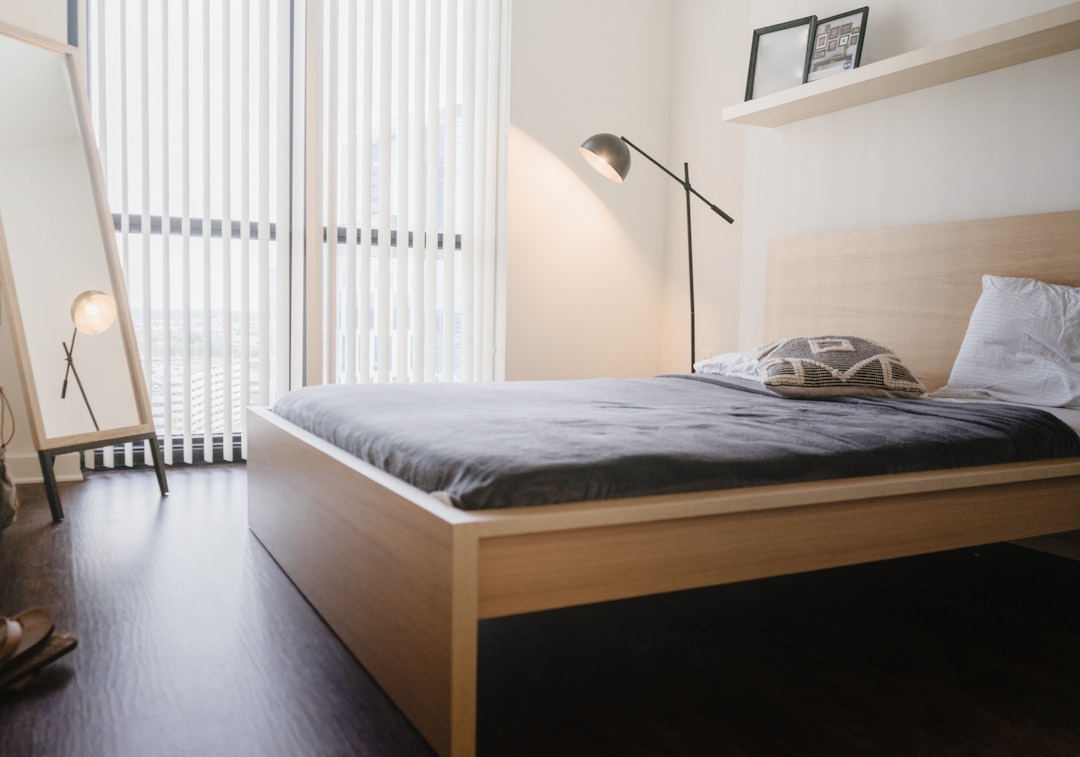
Twelve square metres looks generous on paper until you place the frame. A typical 4-room BTO master bedroom in Tampines often surprises owners with its actual usable floor. A single is the size that does the quiet work in a Singapore home — the child's room, the guest room, the helper's room, the studio corner that needs a bed but not a big one. At 91 by 190cm it leaves the most floor of any frame, which is the whole point in a compact flat where the bed competes with a desk and a wardrobe for the same few square metres. A Single Bed Frame is also the size you buy more than one of, for bunks, for siblings, for a room that flips between uses. The choices that matter are a solid slatted base, a frame sturdy enough to take daily use, and whether you want drawers underneath to claw back storage in a room that rarely has enough.. You measure the bed, but forget the clearance around it. A single bed frame measures 91cm by 190cm, yet that leaves little room for error. Most buyers focus on the mattress, not the space underneath. The layout dictates function more than the furniture style ever will.
Storage beds look great in brochures, but drawers need breathing room to slide. Leave around 60cm clearance on the exit side for the main walkway. Thirty centimetres on the other sides keeps things tidy. If the frame sits too close to the wall, you won't get the drawers out. That is a common mistake during the first layout check. Imagine trying to wheel a full cabinet into a lift, then realising the bedroom door is narrower. You get stuck there, and the contractor charges you for the extra labour.
Check where the air-con vent sits before you push the bed in. A frame blocking the vent creates cold spots and wastes energy. Some homeowners prefer a low platform frame instead of storage for this specific reason. It sacrifices capacity for airflow, so you can organise the rest of the room later. Storage matters, but only if the room breathes. Got storage or not? The bed must fit first. Don't block the vent lah, because it is the one rule you cannot ignore.
91cm width changes everything. Single frames squeeze into corners Queen frames simply cannot occupy. You gain nearly a full square metre of floor space in a typical 12 sqm common bedroom by choosing the smaller footprint, which allows for proper storage units beside the bed. This extra room matters when you need a wardrobe or desk. Standard length remains 190cm for both, so the length doesn’t save space, but the width does. A Queen is 152cm wide, which is 61cm more than a Single.
Under-bed access matters. A Queen consumes 152cm, limiting drawer reach in tight HDB layouts. Measure the mattress depth relative to the frame height to ensure storage bins slide underneath without friction or lifting the mattress too high for safe entry. Got storage or not? That decides the frame choice. You want drawers that open fully, not ones blocked by the box spring. Clearance on the side of the bed needs to be at least 60cm for exit.
Don't buy Queen for storage. Only choose the wider frame if the master bedroom has genuine width. Single beds fit helper rooms and study-doubles better, whereas a Queen demands careful layout planning to avoid feeling cramped during the year-end monsoon season when ventilation matters most. Delivery is another factor; a Queen frame might struggle through a 90cm lift door if it is fully assembled. This one needs disassembly anyway. The lift door opening is the real limit. Check the measurements before ordering.
A standard single bed frame measures 91cm × 190cm, fitting snugly into most HDB common bedrooms or study rooms. Parents furnishing a child's first proper bed should leave roughly 60cm clearance on the exit side for safe movement. This compact footprint ensures the frame fits where larger queen sizes cannot, maximising usable floor space in tight flats.
HDB lift door openings often limit furniture entry at approximately 90cm wide by 209cm tall, requiring careful measurement before purchase. You must leave a 2–5cm buffer for clearance around the lift door, corridor turn, or internal doorway to avoid getting stuck. Verify these dimensions early to prevent delivery issues when bringing home a new single bed frame for a small bedroom.
Humidity in Singapore often around 80%+ affects timber significantly. Wood expands naturally in heat. Solid wood moves with humidity, which is normal but can jam drawer runners significantly if not accounted for. If the frame absorbs too much moisture, the sliding mechanism gets stuck tight and becomes unusable. Buyers often mistake this movement for a defect when it is just nature at work and the wood is trying to breathe without proper conditioning in the room. You need kiln-dried timber to resist warping over year three in this environment where moisture levels are consistently high.
Tropical conditions mean metal runners face constant corrosion risk without proper coating. Cheap runners will oxidise quickly. Stainless steel or powder-coated options last much longer in high moisture environments. Inspect the finish closely before committing to a specific model. A rusty slide is sian to deal with when you need space in your bedroom and the drawers refuse to open completely, forcing you to lift the mattress to retrieve items.
Plywood is relatively stable in humidity compared to particleboard or MDF materials. Do not blame plywood for swelling. It holds shape better when the layers are pressed correctly during manufacturing. This material choice prevents warping issues common in resale flats. Check the edge banding to ensure it seals the core well against moisture ingress and prevents the layers from separating over time as the flat ages significantly in humidity.
Sliding drawer tracks need extra space to accommodate timber expansion. If the gap is too tight, humidity will lock the mechanism completely. Leave room for the wood. This detail is often overlooked during showroom visits in Joo Seng. Measure the internal width to ensure smooth operation year-round in any flat type and avoid buying beds that have no clearance at all, which causes jams and frustration later.
Select moisture-resistant laminates for longevity in resale flats where air circulation varies and humidity levels stay high throughout the year. Surface finishes protect the core from absorbing water vapour directly. A good seal keeps the frame dry even during monsoon season. Avoid porous veneers in humid areas. This simple step saves money on repairs later when the frame is new and prevents costly replacements due to water damage that happens quickly in Singapore's humid climate.
They do not tell you the lift door limit before you sign the delivery form. It is often 90cm wide. A Single frame is 91cm wide, but clearance matters more. You want to avoid the hassle of returning a bulky item that cannot fit through the corridor turn. Megafurniture Joo Seng let you walk the floor — inspect the stock physically. Staff see this mistake often. Common in 4-room BTOs where the corridor is tight.
Online images lie about firmness levels because screens distort the texture. Sit on the Somnuz mattress. Feel the fabric weave before committing. Storage beds need sturdy frames, not pretty pictures. If the fabric pills one, it is a waste. Humidity kills fabric faster than you think. The Somnuz line handles the humidity.
Verify single-size bed dimensions match your room plan exactly. A 91cm frame fits a 3-room BTO common bedroom, but drawers need floor space beside the bed. If you cannot open the drawer, storage is useless. Check the single-size bed collection online first. Go to Tampines or Joo Seng leh. Works for helper rooms and study rooms too.
Helper rooms often lack cupboards. You need to organise supplies near the washing machine. It's a common mistake to ignore the two-week supply rule when squeezing goods under a single frame. Most contractors install the bed against the wall without measuring the gap. That leaves zero space for uniform boxes. Helpers in Eunos flats know the drill. They need access without moving heavy luggage.
Single bed frames measure 91cm wide. That leaves just enough side clearance for uniform boxes if the bed is raised off the floor. Don't buy a solid base. It blocks airflow and kills storage. Helpers in Eunos flats know the drill. They need access without moving heavy luggage. A hydraulic lift is too expensive for a helper room. Drawers are better.
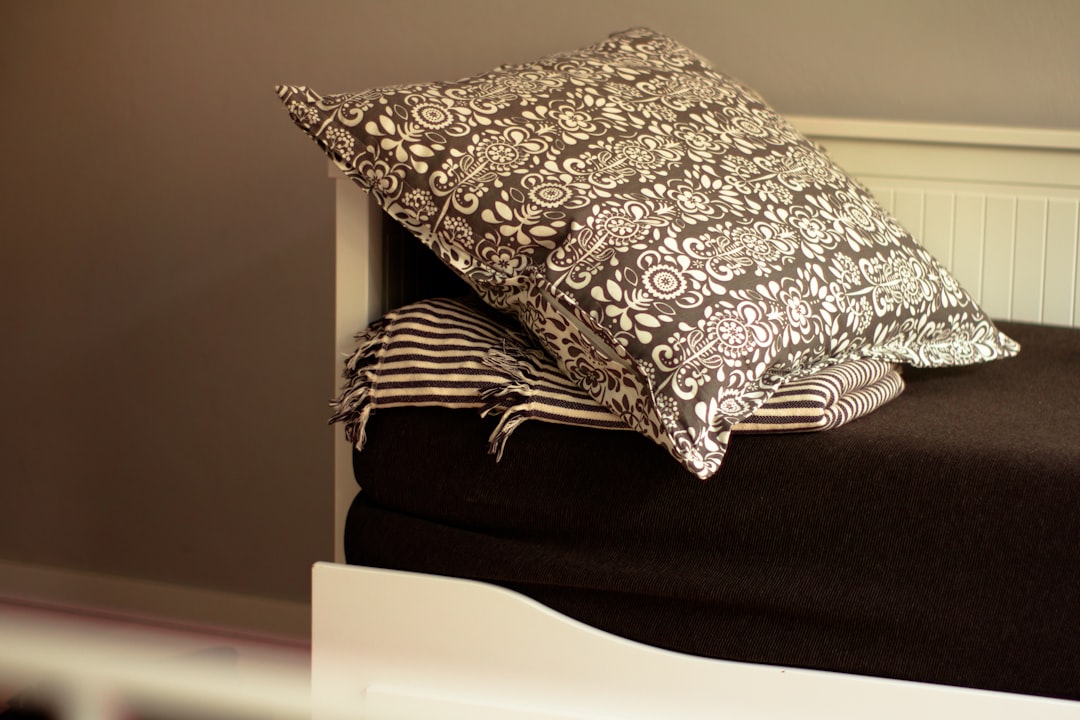
Proximity to the washing machine cuts down on daily walking distance. Helpers move faster when laundry gear is nearby. Check the route first. There's no point storing two weeks of detergent if the path is blocked by furniture. Humidity hits the bottom of the bed hard. Ventilation matters more than style. The frame must hold weight without sagging. That's the only way it lasts.
" width="100%" height="480">Maximizing Under-Bed Storage in a Small Singapore Bedroom (how_to)Most 3-room BTOs treat the study room as a ghost zone until guest season, but contractors often suggest a sofa bed, and those mechanisms rust before the first guest even arrives because the hinge fails first. You need storage that works every day, not just when the in-laws visit. Study room, that one often becomes a storage dump. It is not about aesthetics here. It is about fitting a mattress and clothes into 8 sqm. The lack of built-in wardrobes means you must repurpose the footprint — especially in 3-room units.
Single bed frame size 91cm × 190cm fits the tightest corners. Hydraulic lift-up holds more luggage than a standard wardrobe in a 3-room unit. Want storage? Then you got it. The frame length must align with the window placement for light. Don't block the view when the bed folds down. This is the trick most IDs miss during the initial layout. They measure for the bed, forget the window sill. Delivery is another headache you don't want. Lift door opening 90cm wide x 209cm tall is the real limit, so check your corridor turn before ordering because the internal doorway is usually the tightest point in the flat.
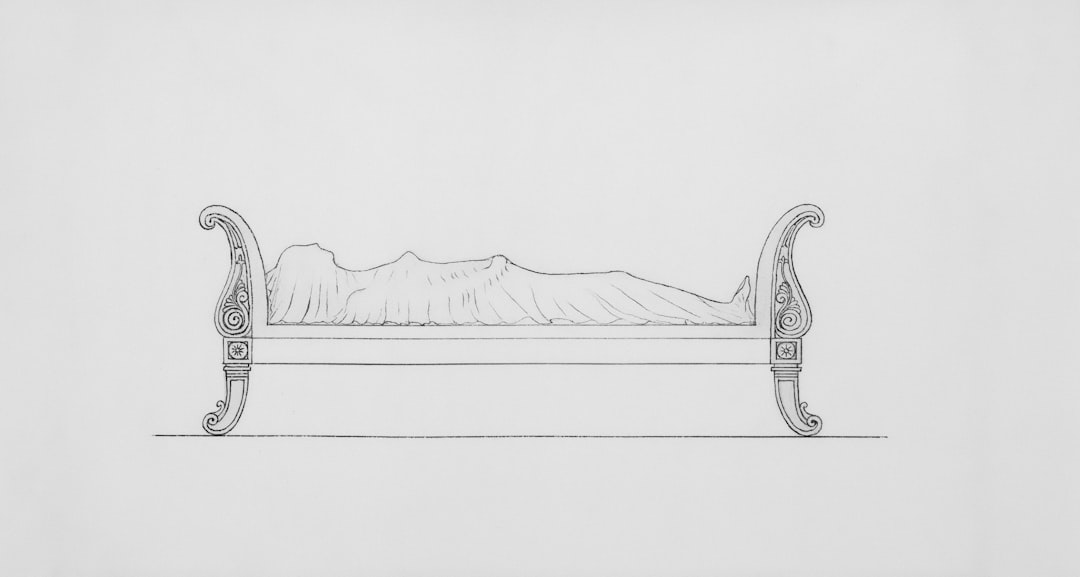
Keep the desk area clear for work while the bed remains folded. This setup saves floor space without sacrificing function. The only time I'd skip it is when the room is purely for study. Otherwise, under-bed storage is the only way to fit a wardrobe. You will see this in Tampines and Bedok neighbourhood flats. It works until the humidity hits. Solid wood can move with humidity, normal, not always a defect. IDs charge extra for hoisting, so measure the corridor turn first lah. Light is crucial for work, so align the frame length with the window placement to ensure natural illumination during the day and avoid glare on your monitor while you type.
Check the gap first lah. Most buyers measure the mattress height but forget the wheel. A standard carry-on needs enough clearance for wheels, not just the mattress drop. Drawers often fail under heavy loads. You see the frame look solid until the drawer slides out crooked. That's when the buyer knows. Don't trust the demo unit in the showroom. It's a classic mistake. The mechanism will break before the fabric does. Single bed frames are compact, so every centimetre counts. If the suitcase won't fit, the storage is useless. You want to store heavy items, but the rail can't take the load.
AC pipes are the silent killer. Contractors run them low near the head. If the frame is too tall, it blocks airflow. Headboards are another issue. Existing wooden frames might clash with new metal rails. You need to measure the gap before delivery. Singapore humidity makes timber swell, so clearance matters more than aesthetics. Old HDB blocks have lower ceilings, so check the vertical space. A 91cm wide frame leaves little room for error. The frame height must match the headboard or it looks ugly.
Storage beds work well in HDBs where space is tight. But if you have a separate linen closet, skip the mechanism. It breaks often. Choose a plain frame if you have storage elsewhere. That's the honest truth. Want storage? Got it or not? If you don't, don't pay for it. The plain frame is steady. The hydraulic lift sian when it wears out. Single beds in guest rooms don't need this.
The headboard hitting the ceiling is a mistake contractors see too often in HDB flats. You buy a frame that looks right in the showroom, then find it scrapes the plaster when it arrives. Measure from the floor to the ceiling before you sign the order. A single bed frame sits low, but the headboard adds height that matters. The gap between mattress and floor determines storage access. Most new builds have standard ceiling heights, but the piping or false ceiling drops the usable space. You need to know the exact number. Want to slide storage boxes under the frame? You need vertical space, not just width, hor. Most hydraulic lift beds need at least 60cm clearance above the mattress to open properly. Without it, the mechanism jams or the box never fits. This is a common oversight in small HDB bedrooms where every centimetre counts. Many buyers order a bed already, then realise the box lid hit the ceiling when they tried to open it. Study rooms doubling as sleep spaces need different rules. Low frames work better here, but check the clearance first. A high headboard blocks the view and makes the room feel cramped. You cannot stack boxes under a low frame if the legs are too short. Buyers often regret getting a bulky frame for a study that needs open floor space. The room feels smaller if you block the path. Get the dimensions right or you will be stuck with a bed you cannot use properly. It is better to measure twice than to pay for a return. Do not assume the frame height is standard. Check the product sheet. It is a small detail that makes a big difference.